 Blog
Blog Links
Links Contact
 About
AboutJournal (20260818)
Publish Date: 2026-08-18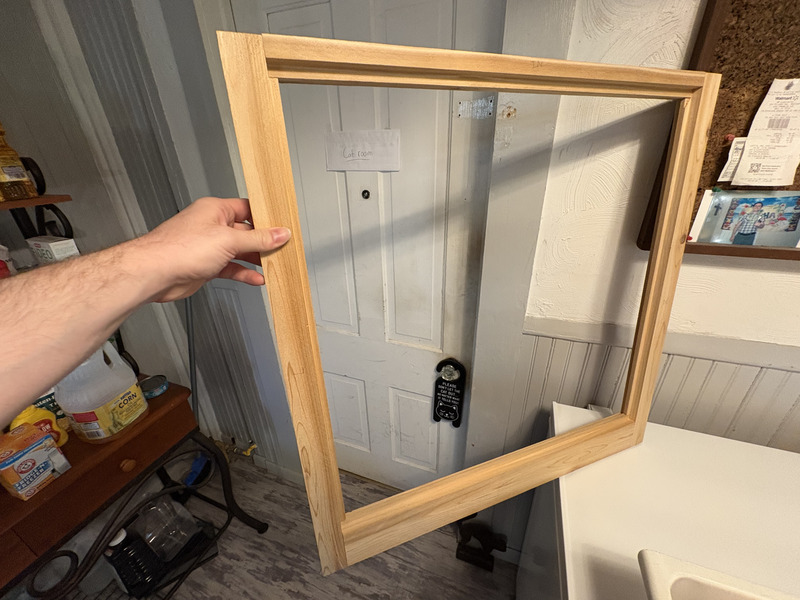
"Can we have Andersen windows?" "No, we have windows back home." Windows at home...
Well I'm happy to say that I've finally perfected (at least enough to my standards) my window frame making technique! It's taken a long time to finally get here, but hopefully it'll pay off.
I imagine some people reading this who are already skilled in carpentry or millwork might be wondering what the big deal is here; I mean, it's just a silly old window frame anyone could make in their sleep right!? Yeah, right... This wasn't easy to figure out, but once you know how it's not so difficult from then on.
I'd like to highlight a few areas that I would keep messing up because for someone completely new to this kind of stuff, it took a lot of trial and error.
My first mistake was watching YouTube DIY videos. The DIY videos were somewhat helpful, but they tend to leave a lot of important details out without showing or even so much as mentioning it. The "how to draw an owl" meme would always come to my mind, but I can relate when making technical guides or documentation on something advanced, like setting up a web server. There's an expectation of know-how that the reader should already have, or in my case, wood working.
My second mistake was attempting to follow a technique that only worked with high precision machinery when all the tools I have are considered "contractor" grade. The window router sash bit set turned out to be a pricey waste of money and time since I didn't have the proper router and table to use it on; additionally, this is by far the hardest method of making wood windows regardless of having the right machinery.
My third and final mistake was trying to get everything cut and shaped super precise all in one go from the table saw. It turns out, this will never work and there was an important little detail that everyone would fail to mention or intentionally skip so that it would appear simpler than it really was. Instead of trying to hone in the precision of my cuts, especially when making joints and tenons, all I had to do was get it just good enough then use a sanding file to finish it off. Meanwhile I'd see guys make their cuts, then pick up a whole other set to demonstrate it fitting together while completely skipping their work in making that happen. Grrrr!!!
I know how to make a cut on a table saw, but what I was wanting to learn is the whole technique of making the frames which includes fitting them together. I've noticed that many of these DIY content channels aren't so interested in showing you how as they are in showing off. These are simple little things in hindsight, but being new to this, it can make all the difference.
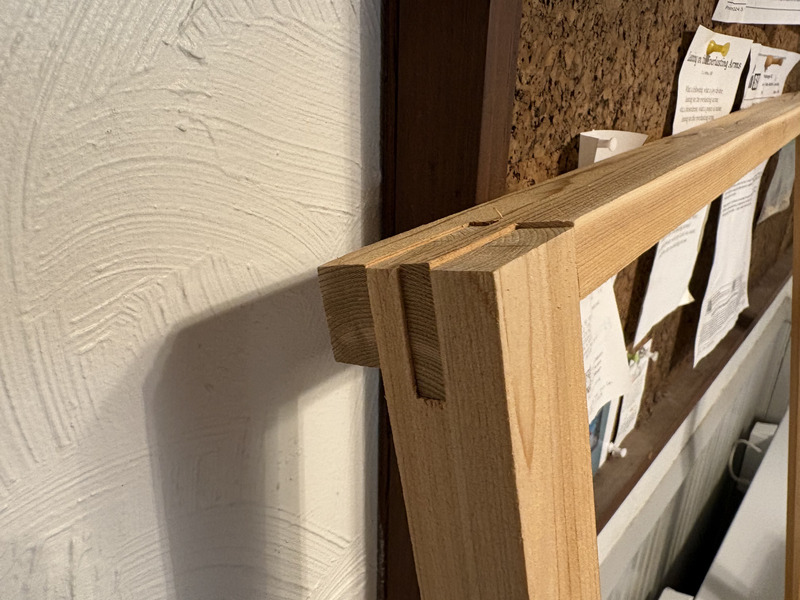
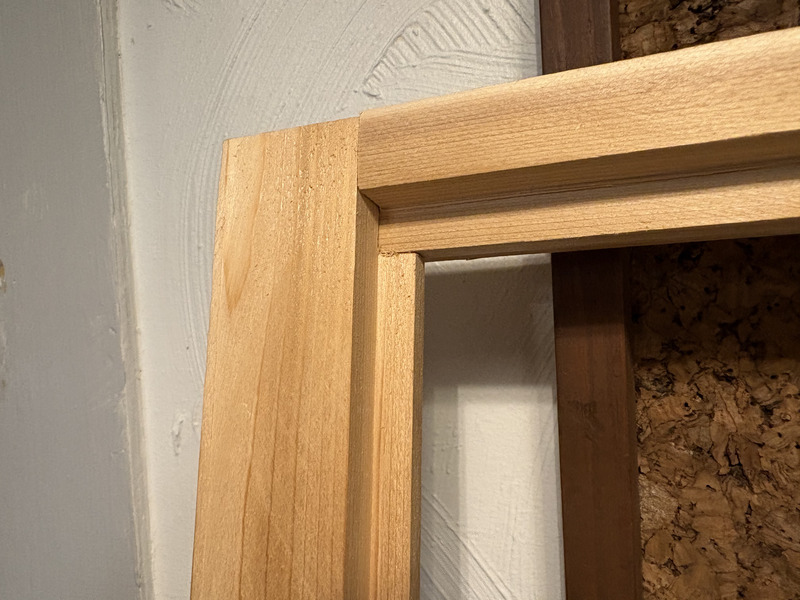
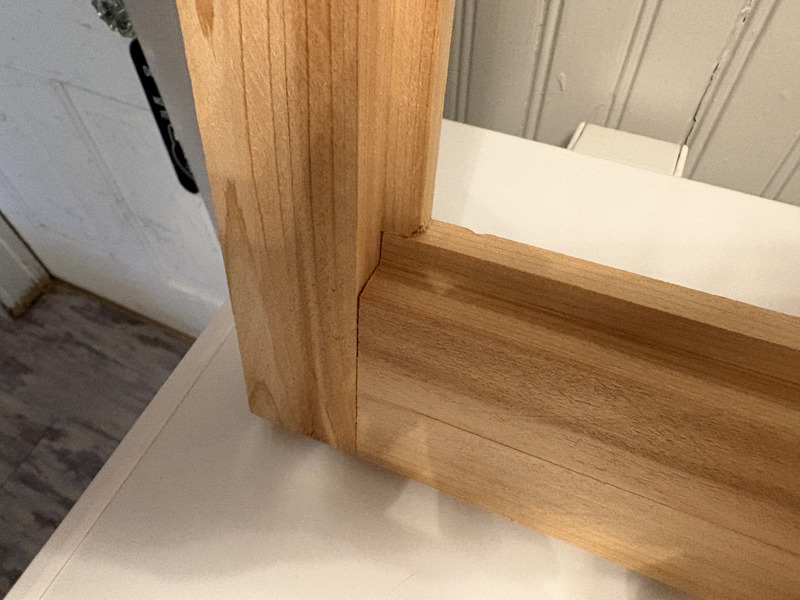
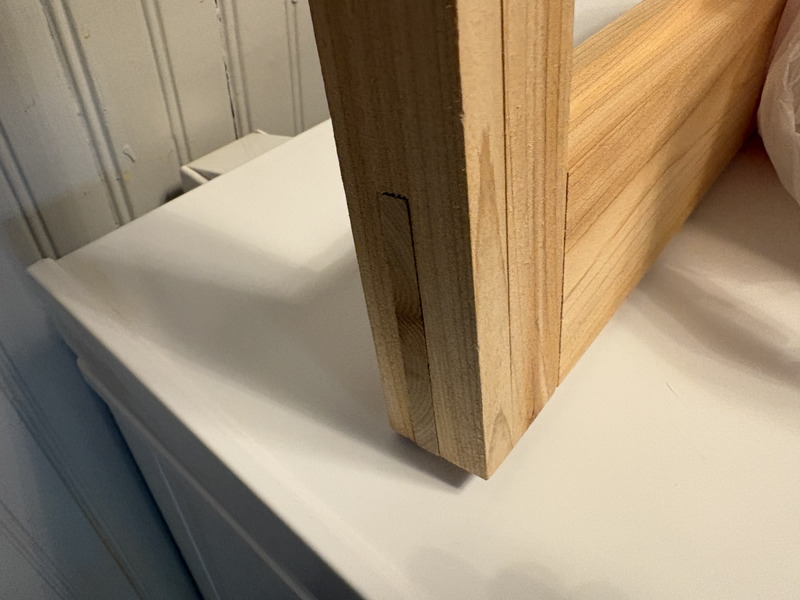
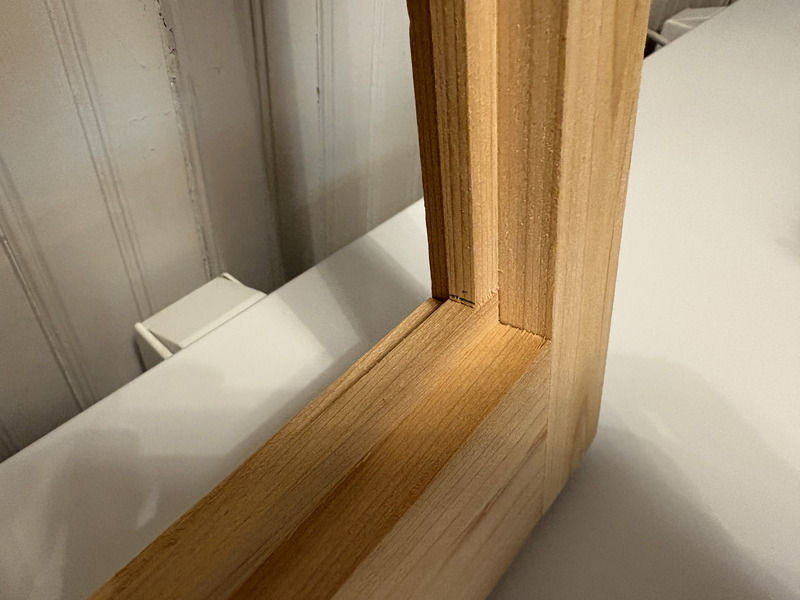
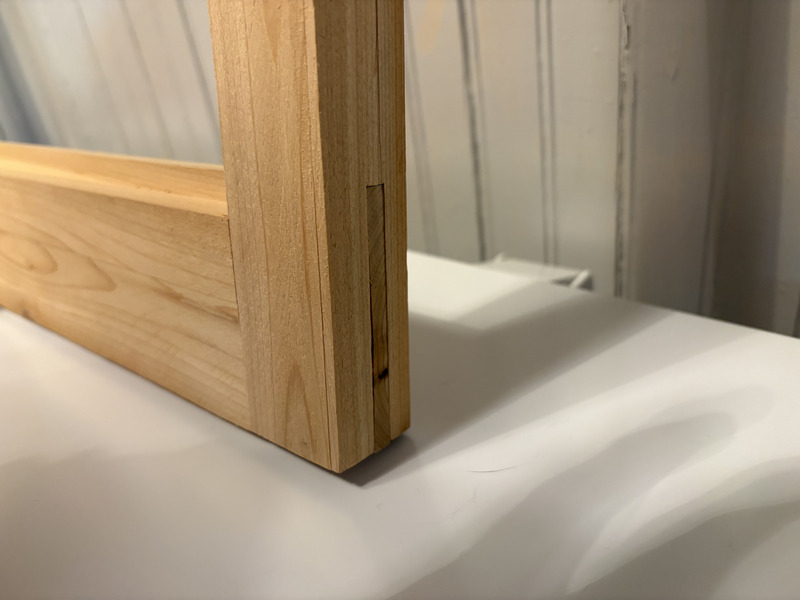
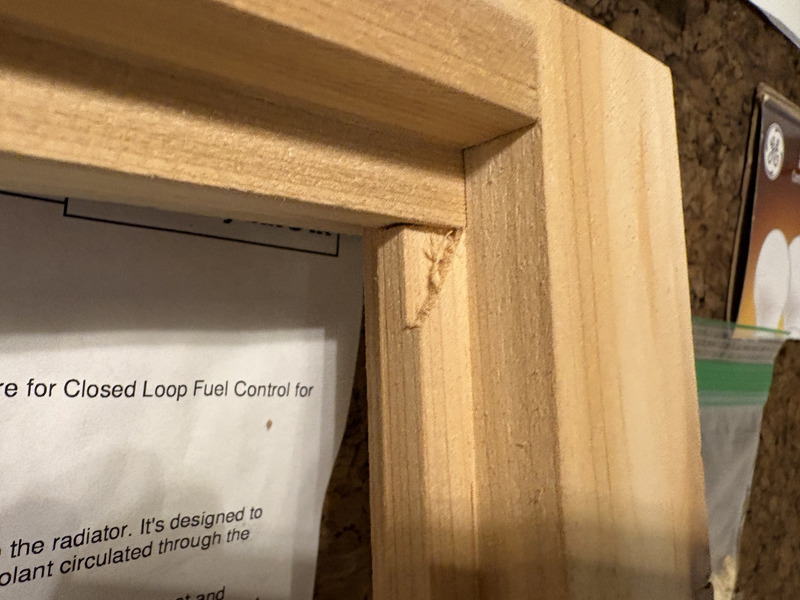
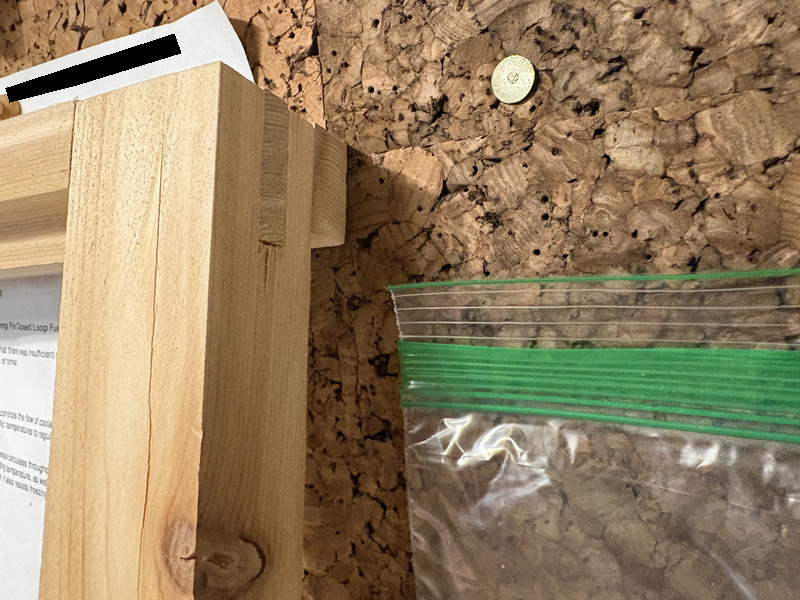
Any minor imperfection can be covered up with wood filler.
A book that I found unexpectedly helpful was "Gene Logsdon's Practical Skills." While it doesn't explain how to make a window frame or casement, it does contain helpful little bits of information which I was able to connect the dots with.
Sometime soon, I would like to make a blog post on how to make simple window frames with conventional power tools and some hand tools. I still need more time to learn how to make proper casements, but they're not as difficult despite being a larger piece with pullies and counter balance weights. Besides, the casements I'm working on use a spiral balance, which are simpler to build for.
I've also been wanting to make an additional interior window that can be hung over the main window. It would be one large piece that fits over serving as a second layer to improve the thermal efficiency of my windows during the cold part of winter and the hottest part of summer. In between those seasons, they can be removed and stored in the upstairs attic space.
This is all I have for now.
Thanks for reading my blog!
[Back to top]
Comments: